Sizes & ratings · 6 min read
Tyre load index and speed rating: what the code means
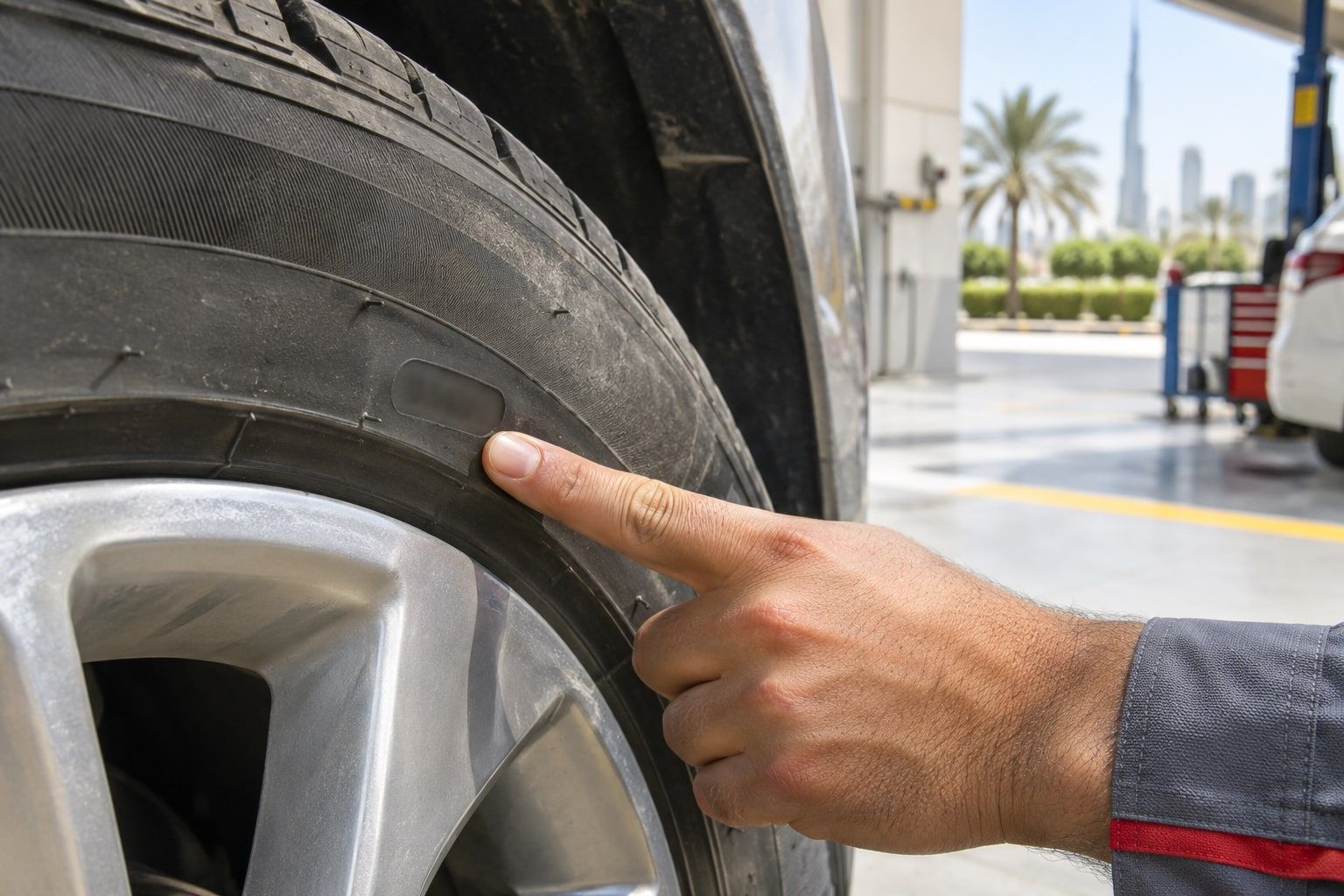
The load index and speed rating are the number and letter after the tyre size, such as 94W. The 94 means each tyre can carry up to 670 kg when correctly inflated, and the W means it is built to sustain up to 270 km/h at that load. Replacements must match or exceed what the car maker specifies; a lower rating is the one shortcut a fitter should refuse.
This post shows where the code sits, what the common numbers and letters mean, what XL and HL add, and how to handle mixed ratings when you only replace two tyres.
Where are the load index and speed rating on a tyre?
They sit straight after the size on the sidewall, together called the service description. In 225/45 R17 94W, the size is 225/45 R17, the load index is 94 and the speed rating is W.
Your car’s required figures are on the tyre placard, usually on the driver’s door jamb, and in the handbook. If the tyres currently fitted were chosen by a previous owner, trust the placard over the sidewall. Our tyre size guide explains the rest of the code.
What do common load index numbers mean?
The load index is a code for the maximum weight a single tyre can carry at its correct pressure, and the scale is the same across brands. Continental’s published examples give the figures for some of the most common passenger ratings.
| Load index | Max load per tyre |
|---|---|
| 91 | 615 kg |
| 94 | 670 kg |
| 98 | 750 kg |
| 101 | 825 kg |
Multiply by four and you get the tyres’ combined capacity, which must comfortably cover a loaded car. That matters on a seven-seat SUV heading to the Hatta mountains with a full boot, and on electric cars whose batteries add a great deal of weight.
Reinforced tyres carry the same size with a higher index. Continental’s example uses one 245/40 R19 size: 94 as a standard-load tyre, 98 as an extra-load (XL) tyre and 101 as its newer HL (high load) version designed for heavier electric and hybrid cars. If your placard lists XL or HL, the replacement needs the same.
What does each speed rating letter mean?
The speed rating is the highest speed the tyre can sustain at its rated load. Michelin publishes the scale in km/h; these are the letters you will see on most UAE cars and SUVs.
| Letter | Max speed |
|---|---|
| S | 180 km/h |
| T | 190 km/h |
| H | 210 km/h |
| V | 240 km/h |
| W | 270 km/h |
| Y | 300 km/h |
The letter is not a hint about how fast you personally drive. A car maker specifies it because the suspension, braking and handling were developed around a tyre of that construction, and Michelin notes that dropping to a lower-rated tyre can leave a car feeling softer and less responsive.
The speed rating is also the figure most often overlooked when a size is hard to find. If the only tyre on offer carries a lower letter than your placard, wait for the right one or ask us to source it; a lower rating is not a safe stopgap.
Can you mix V and W rated tyres?
You can only if both ratings meet or exceed the placard, and even then it is a compromise. Michelin says a car with mixed ratings is limited to the speed capability of its lowest-rated tyre, and Goodyear advises fitting different ratings as matching pairs on the same axle.
- If the placard says V, fitting W tyres on one axle and V on the other is acceptable
- If the placard says W, a V-rated tyre does not meet the specification anywhere on the car
- Never mix ratings across one axle: left and right must match
- Tyre makers differ on which axle should take the lower-rated pair, so follow the vehicle handbook
The cleaner answer is to match the rating on all four tyres when you can. Our post on mixing tyre brands and ratings covers the wider question of combining different patterns on one car.
Is a higher rating ever a bad idea?
A higher rating is permitted, but it does not make the car capable of more. Michelin says a higher load index is allowed, yet the vehicle’s maximum load is still limited by its axle ratings and the maker’s figures.
A higher speed rating is also allowed and often comes with a stiffer construction. On a family car that may mean a slightly firmer ride than the original tyre, which some drivers welcome and others do not. The risk only runs one way: going below the placard figures is never acceptable.
Heavy SUVs are where load index decisions matter most. A common case is a Land Cruiser or Patrol owner offered a cheaper version of the right size with a lower load index than the placard asks for. Check the service description against the placard before you compare prices, and walk away from any quote that does not match it.
What should you check before ordering?
- Load index and speed rating from the door placard or handbook
- Whether the placard specifies XL, HL or run-flat construction
- Different front and rear sizes or ratings on staggered setups
- The DOT date on the tyres you are offered
Send us a photo of the placard and a sidewall and we will confirm the minimum spec before quoting. You can also start from the tyres by size finder or book fitting through our tyre replacement service.
Questions
Questions drivers ask
Can I mix V and W rated tyres?
Only if both ratings meet or exceed what the car maker specifies, and only as matching pairs on the same axle. The car is then limited to the capability of the lower-rated tyres. Matching all four is the better solution when the right tyre is available.
Is a higher speed rating better?
It is permitted and can suit fast motorway driving, but it is not automatically better. Higher-rated tyres can ride a little firmer and sometimes wear faster. Meeting the placard spec is what matters.
What happens if the load index is too low?
The tyre may not be able to carry the car’s weight safely, especially on a loaded SUV. A fitter should refuse to fit a tyre below the placard load index. Always match or exceed it.
What does XL mean on a tyre?
XL means extra load: a reinforced version of the size that carries a higher load index than the standard tyre. If your car’s placard lists an XL tyre, the replacement must be XL too, inflated to the placard figure.
Does the speed rating matter if I never drive fast?
Yes, because the rating also reflects the construction the car was developed around. A lower-rated tyre can change steering and stability, and fitting one below the placard spec is not recommended by tyre makers.
Sources